
HYDAC MPV Hydraulic Axial Piston Motor
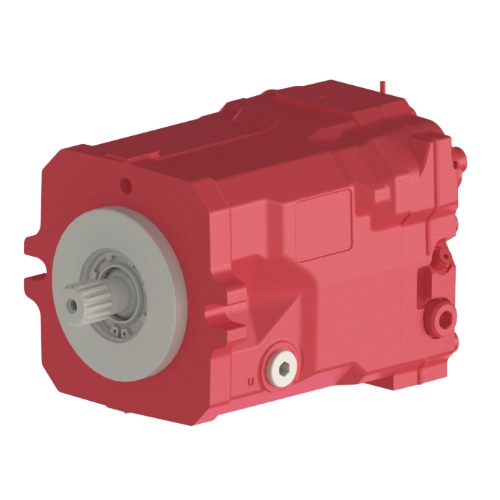
HYDAC MPV Hydraulic Axial Piston Motor
HYDAC MPV Hydraulic Axial Piston Motor delivers high starting torque, smooth low-speed performance and flexible displacement control. Available with hydraulic or electrical controls, it supports stepless and two-position operation for demanding applications.
- Maximum Displacement Range: 54.7 to 281.9 cm³/rev
- Minimum Displacement Range: 18.3 to 93 cm³/rev
- Nominal Pressure: 450 bar
- Peak Pressure: 500 bar
- Maximum Operating Speed: Up to 4300 rpm
- Maximum Output Torque: Up to 1929 Nm
- Maximum Power Capacity: Up to 586 kW
Share Product:
HYDAC MPV Hydraulic Axial Piston Motor is an advanced variable-displacement motor designed for application in open and closed hydraulic circuits. This model gives flexibility in controlling motor displacement, speed, and torque; thus, it is appropriate for use in machines working under varying loads and conditions. The MPV200 line features high starting torque and good low speed performance, which helps increase machine control, efficiency, and drive performance.
The MPV200 line features motor models 55, 75, 105, 135, 165, 210 and 280. According to the chosen model, the maximum displacement varies from 54.7 to 281.9 cm³/rev, and minimum displacement from 18.3 to 93 cm³/rev. Some control variants are capable of lowering the displacement value to 0 cm³/rev. Consequently, the motor is able to operate within a broad range while precisely reacting to speed and torque changes.
The HYDAC axial piston motor is designed to work at the nominal pressure of 450 bar with peak pressure of 500 bar. Based on the size and displacement of the motor, it enables continuous operating speed up to 4300 rpm and short-term peak speed up to 5300 rpm. The biggest motor provides the maximum output torque of 1929 Nm with the maximum power capacity of 586 kW.
The HYDAC MPV motor provides numerous options of controlling devices. There are the options of providing stepless displacement control and two-position control using hydraulic or electrical control. Versions of these controls include H1 and H4 hydraulic proportional controls, E1, E4 and E6 electrical controls, H2 and E2 two-position controls. Also there are options of pressure-override control providing the automatic protection and displacement change at a specific pressure level.
There are some optional through-drive units enabling the transmission of the motor torque through the second shaft end of the motor. These units make easier installation of the drivetrain and make unnecessary to use the distribution gearbox. Other options include purge relief valves, speed sensor, cross-over relief valve block, various flanges, shafts and ports.
Related products
-
HYDAC PPV 100 Hydraulic Axial Piston Pump
-
HYDAC PPV 100M Hydraulic Axial Piston Pump
-
HYDAC PPV 103 Hydraulic Axial Piston Pump
-
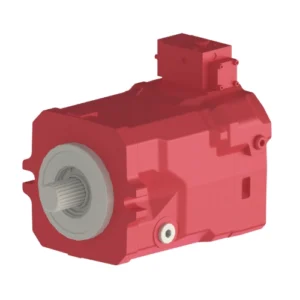
HYDAC MPR Hydraulic Axial Piston Motor
-
HYDAC PPV 100S Hydraulic Axial Piston Pump
-
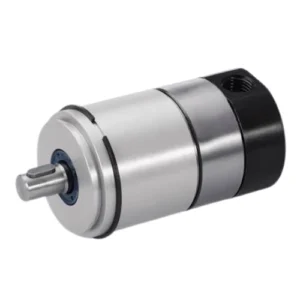
HYDAC AKP Hydraulic Axial Piston Pump
-
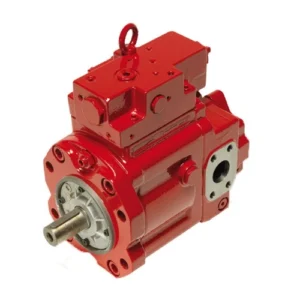
HYDAC PPV 102 Hydraulic Axial Piston Pump
-
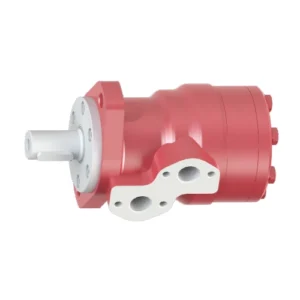
HYDAC Hydraulic Orbital Motor