
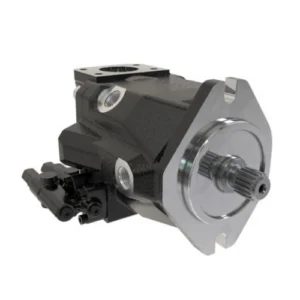
John Deere AN403480 Hydraulic Axial Piston Pump
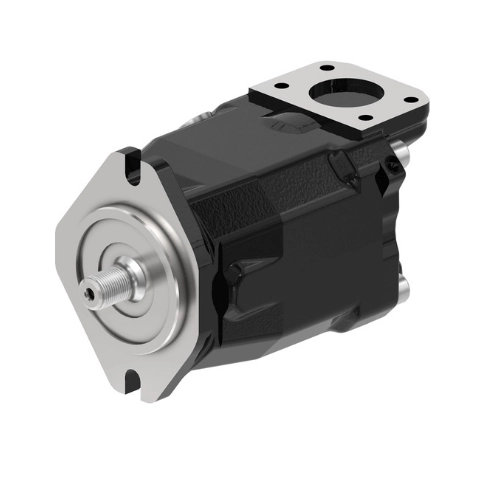
John Deere AN403480 Hydraulic Axial Piston Pump
John Deere AN403480 Hydraulic Axial Piston Pump supplies controlled hydraulic flow for compatible equipment, including listed sprayer applications. It weighs 49.09 lb and measures 6.5 × 8 × 11.5 inches. The pump converts mechanical energy into hydraulic power for machine functions under varying loads.
- Product type:- Hydraulic axial piston pump
- Part number:- AN403480
- Product dimensions:- 6.5 in height × 8 in width × 11.5 in length
- Product weight:- 49.09 lb
- Listed applications:- Compatible John Deere sprayer equipment
- Selection checks:- Verify model, serial range, shaft, mounting, rotation, ports and controls
Share Product:
John Deere AN403480 Hydraulic Axial Piston Pump is used to transfer the power produced by the drive system into hydraulic flow that drives compatible equipment. The available product data reveals that the weight of the pump is 49.09 lb with dimensions of 6.5 inches in height, 8 inches in width, and 11.5 inches in length. Compatibility information includes John Deere sprayers; however, the exact model of the machine and the serial number range must be verified before approving the replacement pump.
The operation of the axial piston pump consists of a rotating set of pistons, which draws in and expels hydraulic fluid. This method allows for efficient and controlled fluid delivery for operations that involve varying loads. While the whole reference of the AN403480 pump is more precise than physical appearance, the shape of the shaft, mounting surface, direction of rotation, port location and control connections must all match the machine.
Oil cleanliness has a significant effect on piston-pump life. Fine contamination can cause wear of the piston group and valve surfaces, whereas water degrades lubrication and can increase the likelihood of corrosion. A restriction in the suction line or air leak is a potential cause of cavitation, noise, heat and low flow. Prior to installation, check the reservoir, filter, cooler, hoses and relief settings. In case the previous pump failed internally, the circuit needs to be flushed and not connected to contaminated oil.
Priming or pre-lubrication of the pump is required prior to start-up in accordance with the equipment procedure. It should start-up under low load conditions with monitoring of the following parameters: rotation, leakage, noise, pressure and temperature reaction. The test results need to be compared with the machine requirements. Slow operation can occur due to valves, cylinders, motors or control malfunction. Therefore, the diagnostics should include the entire system.
Provide the following information prior to dispatch: machine type, serial number, the part number of the old pump and photos of ports, shaft and mounting face. This will eliminate the possibility of sending an apparently identical but actually incorrect pump. Where possible, retain the removed pump until the replacement has been inspected, fitted and commissioned successfully.
Related products
-
John Deere AN202916 Auxiliary Hydraulic Axial Piston Pump
-
John Deere A-AR103033 22.6 cc/rev Hydraulic Radial Piston Pump
-
John Deere KV13512 Hydraulic Gear Pump
-
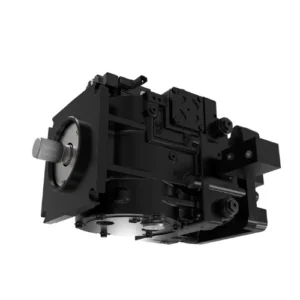
John Deere KV25950 Hydraulic Pump
-
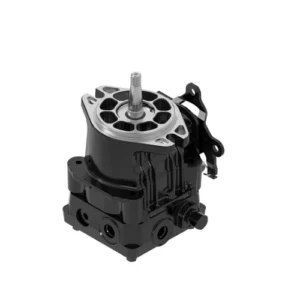
John Deere RH AUC13380 Wheel Hydraulic Pump
-
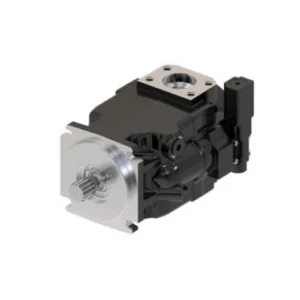
John Deere AKK10129 Auxiliary Hydraulic Axial Piston Pump
-
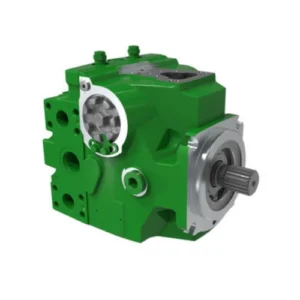
John Deere AN405049 Picking Unit Drive RH Hydraulic Pump
-
John Deere RM100092 REMAN Hydraulic Axial Piston Pump