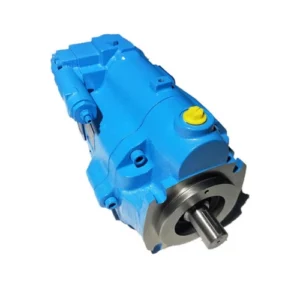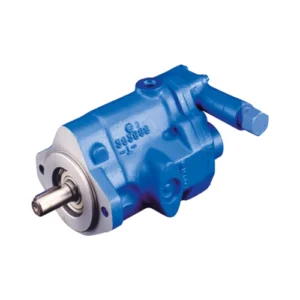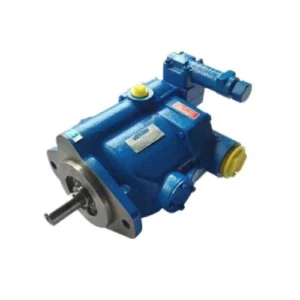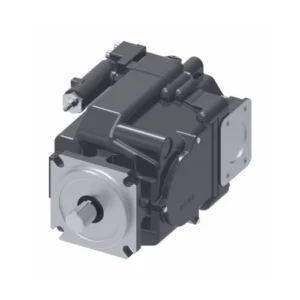
Eaton Vickers PVB10 Hydraulic Pump
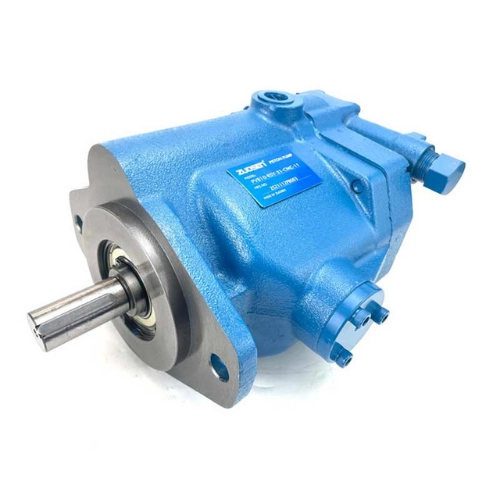
Eaton Vickers PVB10 Hydraulic Pump
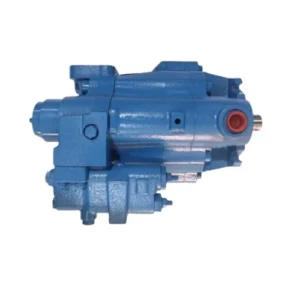
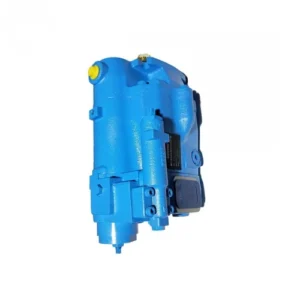
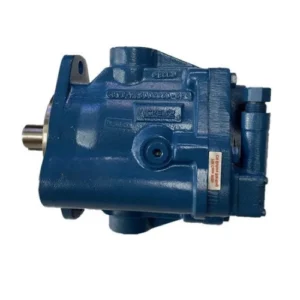
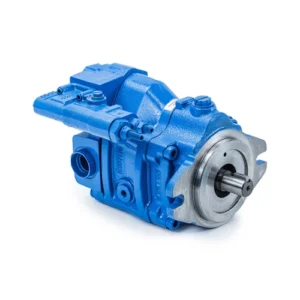
Eaton Vickers PVB10 hydraulic pump gives open-circuit systems controlled variable flow in a proven axial-piston format. Pressure-compensated and load-sensing arrangements are available by model code. Rexton Hydraulic assists with identification, replacement selection and professional pump repair.
- Brand: Eaton Vickers
- Series: PVB
- Model: PVB10
- Pump Type: Variable-displacement axial piston pump
- Circuit: Open circuit
- Displacement: 21.10 cm³/rev
- Pressure: 210 bar maximum outlet pressure
- Controls: Pressure-compensated and configuration-dependent options
Share Product:
PVB10 Hydraulic Pump from Eaton Vickers features the combination of the variable displacement principle and compact axial-piston inline design. PVB10 is capable of providing the geometric displacement of 21.10 cm³/rev and maximum outlet pressure of 210 bar. Such properties allow using this pump in open circuit hydraulic systems, which require precise control of flow rate, reliable pressure, and optimal efficiency of input power consumption.
Industrial machines usually have varying loads during each cycle of work. In response to these changes, PVB10 adjusts its displacement rather than creating maximum flow continuously. This way of work can minimize waste of energy, overheating of the oil and extra load of hydraulic system components. Moreover, such way of operation will ensure steady performance of the system when it repeats movements of the machine.
PVB10 pump is commonly installed in hydraulic power packs, machine tools, lifting equipment, industrial presses, processing machines, and many others. Pressure compensation, load sensing and other options of pump control depending on the configuration are available for PVB10 pumps. Certain models may provide through drive functionality for simultaneous work of two pumps in one hydraulic system.
Not all PVB10 versions have the same components inside. The complete identification number shows the control type, drive shaft, mounting flange, rotational direction, and connections. That is why buyers must pay attention to the whole model number, rather than using only PVB10 designation. Photos of the nameplate and information about the current application may help in making the right pump choice.
Good maintenance will keep the internal rotating assembly in good condition and prevent any losses in hydraulic efficiency. Users must use the right oil at the appropriate viscosity level and have proper filtration. They must check whether there is any restriction in the suction pipe, air entrainment, or improper sizing that leads to cavitation.
The machine runs slower, unstable pressure, noise from the pump, and elevated oil temperature mean that the pump needs repair. The leakage near the shaft and control assembly must be examined too. But mechanics must conduct tests on the entire hydraulic circuit, as blockage of filters, damaged valves, and improper pressure may lead to the above-mentioned signs.